
A couple of months ago, at the June close of the “Year of the Priest”, Pope Benedict pronounced the Cure of Ars (St. John Vianney) the patron of all priests.
The word ‘patron’ is in common usage today. Sports clubs and other groups have patrons. These people are supporters or benefactors. But when a saint is named a patron, well this is something quite different.
When our club patron dies, we find a new one because we consider that their days of being helpful are over. In the Church, our real patrons are those who have completed their earthly life and whom we know to be sharing the life of God fully. These patrons are the saints. They are able to support us from their position of ultimate privilege.
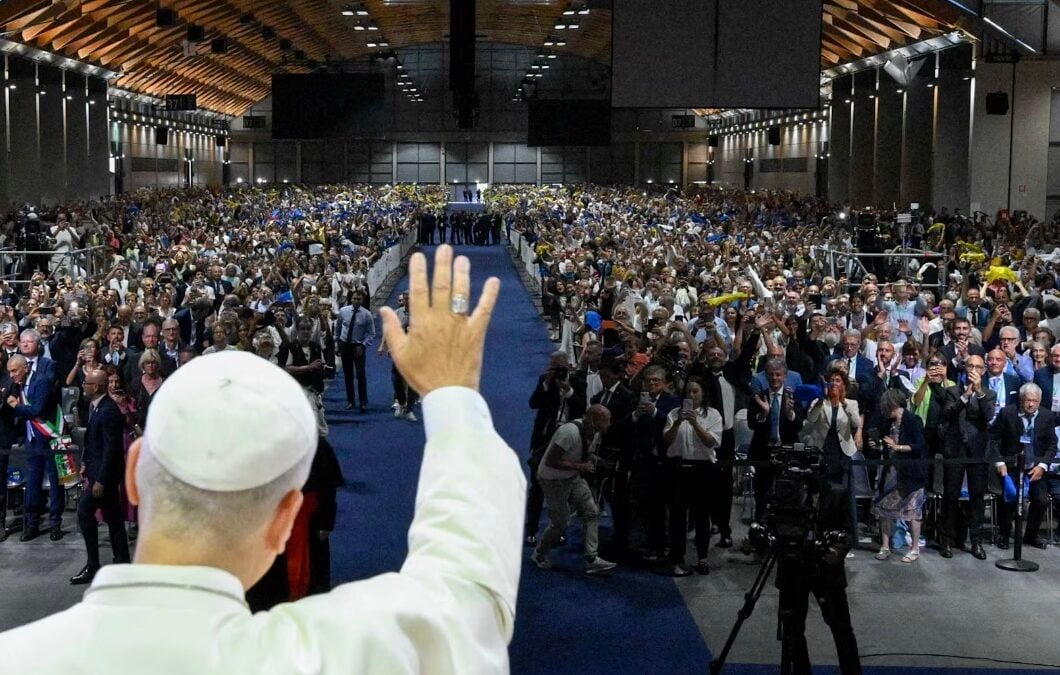
The Year of the Priest was significant for the church. Those of you who were following this blog at the time might recall my comments about the gathering of fifteen thousand priests in St Peter’s square.
This was a wonderfully hope-filled gathering.
Here was a great diversity of priests, united especially when the Blessed Sacrament was placed on the altar and we prayed on our knees in silence. Even the pope was not able to bring us to complete silence, certainly not to our knees. But the moment the Sacrament began the procession to the altar we were silent, on our knees, and in prayer.
This was a natural pose for St. John Vianney. He was a man who sought personal intimacy with God above all else. He was a humble man who knew that God was big. God was very big. And he was little, very very little.
I notice in conversation with many people (especially children in our Catholic schools), that it is common for them to describe God as their ‘friend’. I do appreciate the well-intentioned motives of those who convey this attribute to God. However there is a problem if the child has a limited experience of true friendship.
To be blunt, all people (not only children) have a fairly limited understanding of the nature of true friendship. If my understanding of God is then limited to these human experiences of friendship then it is not the reality of God that I am in relationship with.
Human friends come and go. Some are there for a reason or a season but then time moves on. My human friends are limited by time and space. While at best they can be very supportive, they are unable to work miracles for me. God is not subject to any of these human limitations.
Therefore we are much wiser to teach children (and anyone else who will listen) about the ‘bigness’ of God, and to speak of our own human ‘littleness’ and fragility. The person who, like St. John Vianney, kneels before the all-mighty God with this attitude, will be ready to be transformed by the fulness of God.
When we are weak, then we can be strong, not with human strength, but with the full power of God.



0 Comments